
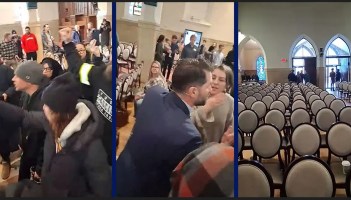
A Regular Pastor’s Response to The Cities Church “Protest”
This was not constitutionally-protected protest. It was anti-Christian persecution.
This was not constitutionally-protected protest. It was anti-Christian persecution.
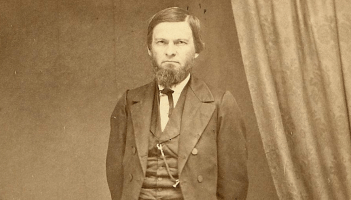
Reading the book for myself, I was struck by the applicability of Broadus’ instruction, given the fact that the book is now over 150 years old.
What follows are a few of my favorite quotes from Broadus’ classic work on preparing and delivering sermons.

In all the posts I’ve read (and written) about the shortage of pastoral candidates, Maclean’s third reason is one that few have the courage to articulate. It just doesn’t sound right to suggest that we have too many churches.
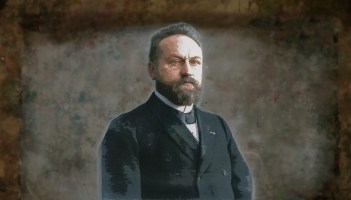
Bavinck certainly commends “eloquence” as an important aim in Christian preaching. For Bavinck, eloquence is more than rhetorical training or homiletical excellence. He defines eloquence under three headings.

The pursuit of this kind of preaching and teaching requires the pastor / teacher to keep the varied nature of his congregation in mind. In other words, those who proclaim the Word of God must remember to whom they are speaking.

The murder, assassination, martyrdom of Charlie Kirk combined with the unhinged reaction of so many on the left lead me to the following conclusions.

Based on what I’ve seen over the last four years, the overwhelming majority of SBTC pastors seem to be in favor of a consistent complementarian position – one that reserves the title and office of elder / pastor / shepherd / overseer to qualified men.

Based on the biblical teaching about the person and the work of the Holy Spirit, what would we expect to see, hear, and experience if the Holy Spirit was truly at work in a local congregation. I think Scripture points us to at least 7 realities.

Before I get to the heart of this post, let me beat you to the punch and say what you’re probably thinking. I’m a pastor, so I go to church because it’s my job and I’m paid to show up on Sunday morning.
 Regular Pastor