
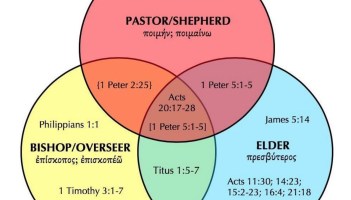
Ecclesiology Matters More Than I Thought
I used to think bad ecclesiology was something that could be overcome as long as a pastor preached well, pastored well, led well, and kept the engine of the church running. I was wrong.
I used to think bad ecclesiology was something that could be overcome as long as a pastor preached well, pastored well, led well, and kept the engine of the church running. I was wrong.

The issue of female pastors has proved incredibly division within the SBC, and I don’t think the divisiveness is going to get better any time soon.

I’m also not foolish enough to think that bad ecclesiology has nothing to do with the pitiful state of affairs in many of our churches, as well as the division and disunity that exists within our convention.

After almost twenty years of pastoring Southern Baptist churches, I’m convinced that there are serious problems with “single, senior pastor ecclesiology.”

Should church members have access to their pastor? My answers (plural) to this question are no, and it depends, and yes.

How did we get to this point? Why is the average age of pastor in the US quickly moving toward retirement age? Why are their fewer young pastors than there were in the past?

Over almost two decades of pastoring, I can remember many times when children asked me, “Who’s the boss here?” or, “Who’s in charge around here?”

Who gets to define the church? God does, and God has revealed his desire for his church in books like Titus.
I’ve thought about publishing this post for several months. However, I have not hit the publish button until today. I have several reasons for my hesitancy … but today’s the day.
 Regular Pastor